Structural vs. Cosmetic Fiberglass Repairs: Know the Difference


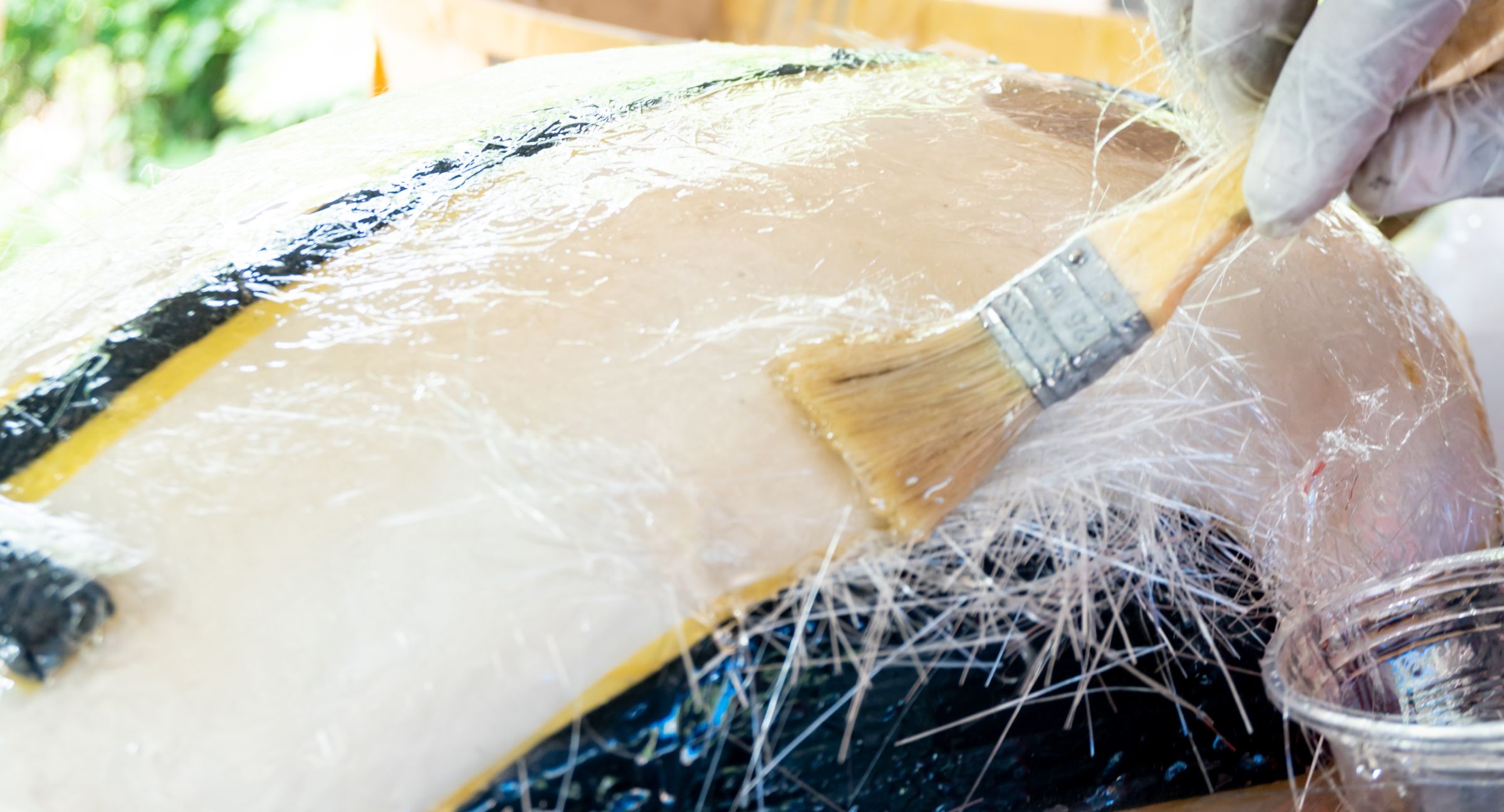
Not all fiberglass damage is created equal. Some cracks are ugly but harmless. Others look minor but can quietly compromise strength and safety.
The problem is that some fiberglass repair companies treat both the same way.
If you’re responsible for vehicles, heavy equipment, infrastructure, or fiberglass panels that actually carry load, knowing the difference between structural fiberglass repair and cosmetic fiberglass repair matters more than you think.
What Is Structural Fiberglass Repair?
If the damaged fiberglass is holding weight, absorbing vibration, protecting people, or keeping something aligned, the job calls for structural repair.
That means you’re not fixing how the fiberglass looks. You’re fixing what happens when it’s stressed. For example:
- A panel flexes and shouldn’t
- A crack keeps reappearing no matter how many times it’s filled
- A component vibrates under heavy loads
- The damage has gone beyond the surface and into the laminate itself
In these cases, slapping filler over the damage is the equivalent of repainting a cracked foundation.
Real structural repair means:
- Cutting out what’s already failed
- Rebuilding strength, layer by layer
- Reinforcing the fiberglass so loads travel the way they were designed to
- Making sure the repair stays fixed
If cosmetic repair is like makeup, think of structural repair as surgery.
What Is Cosmetic Fiberglass Repair?
Cosmetic fiberglass repair addresses appearance, not performance. If the fiberglass is still holding its shape and safely carrying loads, but looks chipped, cracked, or worn, you’re dealing with a cosmetic issue.
A proper cosmetic fiberglass repair job typically involves:
- Cleaning and prepping the damaged area
- Filling and fairing surface imperfections
- Smoothing transitions so the repair disappears
- Matching color, texture, and finish
When done right, you won’t even be able to tell the repair happened.
Why It Matters: Getting the Repair Right
Most incorrectly repaired fiberglass doesn’t fail all at once. It fails incrementally. And by the time the damage becomes obvious again, it’s usually larger, deeper, and more expensive to fix than it was the first time.
For components made from structural fiberglass panels or sheets, incorrect repairs don’t just affect appearance. They affect:
- Safety: Weakened fiberglass doesn’t carry force the way it was designed to. Under load or impact, stress concentrates at the damaged area, increasing the risk of failure.
- Alignment: Many fiberglass components exist to hold things in position. When a repair allows movement under vibration, alignment drifts, and related parts begin to wear or fail faster.
- Downtime: Surface-level repairs over structural damage tend to fail again. That means repeat repairs and unexpected shutdowns—both of which cost you money.
- Liability: When investigators look into a failure, they review prior repairs. Cosmetic fixes over structural damage are easy to spot and hard to defend.
Need Fiberglass Repair That Holds Up?
Many fiberglass repairs focus on appearance. We make sure the part holds up under repeated use—and looks right when it’s finished. But what makes us different?
For more than 25 years, we’ve been manufacturing and repairing fiberglass components in real-world conditions. That means we know how these parts fail, what shortcuts don’t hold up, and when a repair needs to restore structure rather than just surface. If you need fiberglass repair done right the first time, let’s talk.
 Message Us
 Repair
 Message Us
 Repair