How Rotocasting Reduces Weight in Large Industrial Products


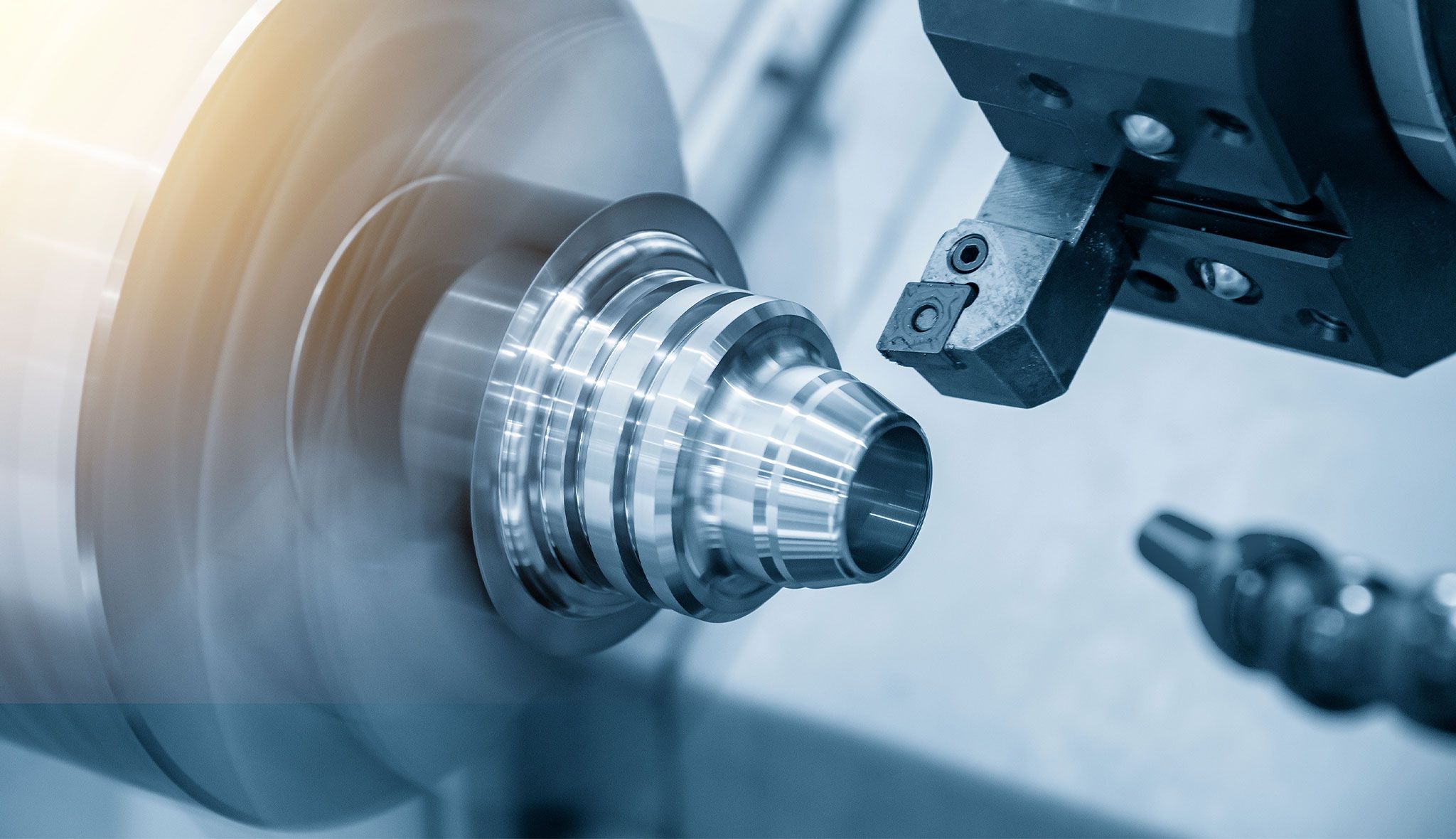
Heavy industrial parts drive up transportation expenses, complicate installation, and increase energy use. One proven way to overcome these challenges is through rotocasting equipment, which creates strong, lightweight industrial components.
We offer rotocasting as a part of our design options to help bring your concepts to life. Here is a quick guide on how rotocasting machines can reduce weight in your large industrial products without sacrificing quality.
What Is Rotocasting?
Rotocasting is a process where a strong self-curing resin is poured into a mold and rotated on multiple axes. The force of the spin spreads the resin across the mold walls, creating a seamless piece with a hollow interior. Once it finishes curing, the molded part is removed as one seamless piece.
With advanced rotocasting equipment, manufacturers can create large industrial products that are lighter and more cost-effective while maintaining durability.
How Rotocasting Reduces Weight
This process offers numerous improvements over traditional casting, with the primary benefit being reduced weight without compromising strength, safety, or durability. Rotocasting achieves this with several factors, including:
- The Hollow Structure removes excess materials, which improves fuel efficiency and reduces overall weight. For example, it can be used to create lightweight seating shells, interior panels, and storage compartments that withstand heavy use while reducing the overall weight of a vehicle.
- Material Efficiency. A well-designed mold for rotocasting creates the weight- and stress-bearing areas without using extra material where it is not needed. This reduces material costs and ensures that products turn out lighter without compromising strength or durability.
- Design Flexibility. Rotocast technologies allow precise control over wall thickness and shape. Engineers can design complex parts like housings, panels, or tanks while maintaining control over weight and cost.
- No Seams. Products made with rotocasting machines come out of the mold as a single hollow piece. No seams, welds, or joints means fewer weak points and joining techniques. This can enable the use of smaller and lighter parts with fewer materials.
These factors all result in lighter, cost-effective parts that reduce the overall weight of your large industrial product.
Benefits of Lightweight Industrial Components
Lightweight components offer advantages across industries. A few examples include:
- Fuel efficiency. Lower vehicle weight means better fuel efficiency, reduced wear on engines and brakes, and easier installation during manufacturing. Lighter machines and industrial products are also cheaper to ship through delivery services that charge by weight.
- Lighter decor and decorative elements. Decor and aesthetic parts made through rotocasting equipment are lighter and easier to install. They also add less weight to the final design.
- Easier installation and handling. Workers can often move and install lighter components with less effort.
- Improved Efficiency. Well-designed lightweight parts often require less energy and maintenance.
- Durability without compromise. Weight reduction does not mean sacrificing strength. The rotocasting process delivers strong, seamless products that meet industrial demands.
For many industries, consulting an expert in rotocasting technology during the design of industrial products is a practical move. It ensures products stay strong, lightweight, and cost-efficient.
The Painted Rhino Can Bring Your Concepts to Life
Are you contemplating the best way to create a large industrial product? We are problem solvers, and there’s no project too complicated for us to handle. We offer solutions like rotocasting, fiberglass, mold-making, and more to tackle complex challenges. Contact us today to get a quote and bring your concept to life!
 Message Us
 Repair
 Message Us
 Repair