Combining LRTM and Vacuum Forming for Efficient Production


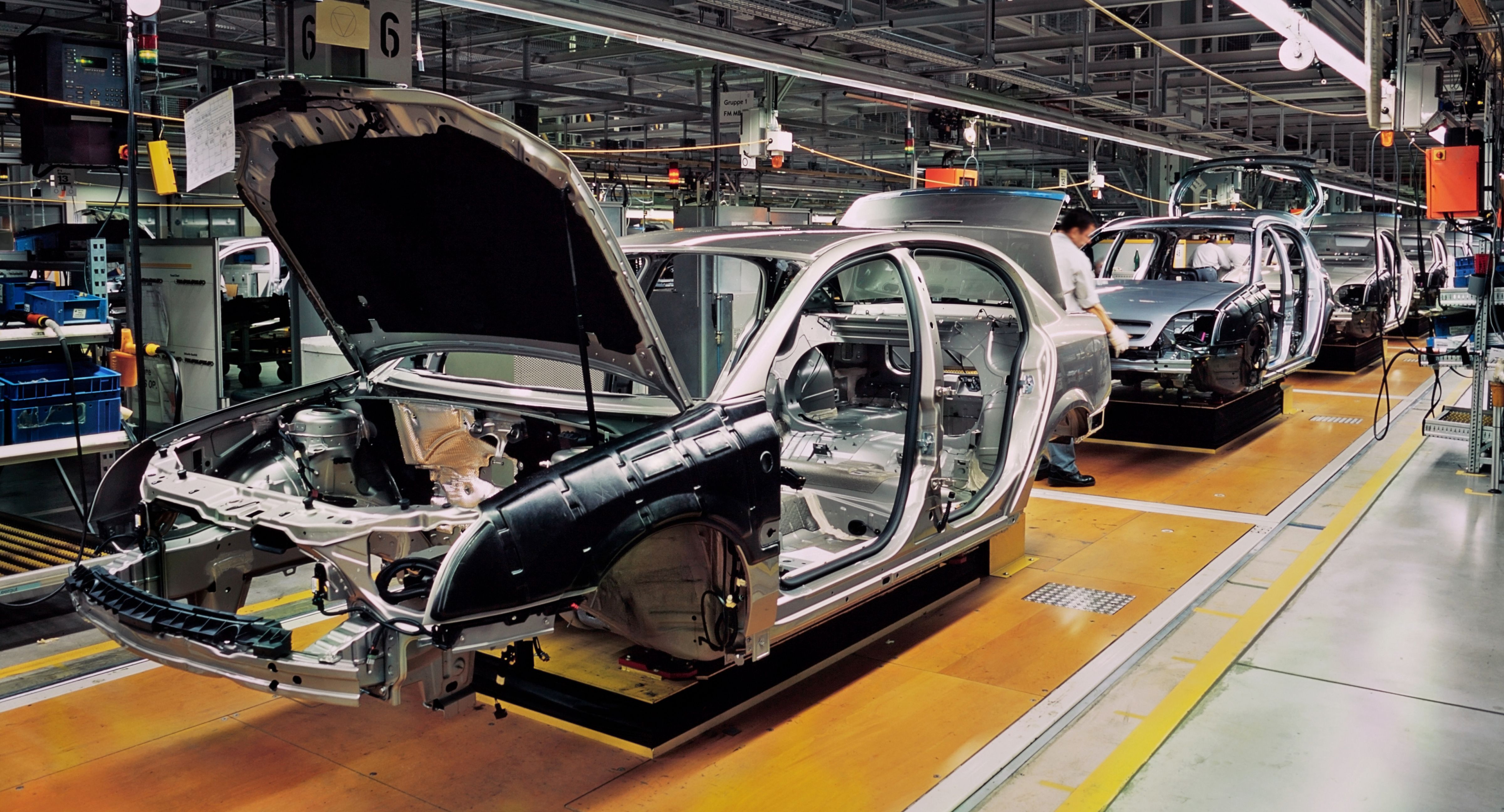
Combining LRTM composites with vacuum forming is a proven strategy for manufacturers who need high-quality parts at scale without sacrificing cycle time or cost control. Each process brings distinct strengths to the shop floor, and when used together strategically, they can address the limitations that each method faces on its own. Here is what manufacturers in transportation, infrastructure, and industrial equipment need to know.
What Is LRTM (Light Resin Transfer Molding)?
Light Resin Transfer Molding (LRTM) is a closed-mold composite manufacturing process in which resin is injected into a sealed cavity containing a dry fiber preform. A rigid or semi-rigid tool holds the top of the mold in place while a vacuum draws resin through the fiber stack, producing a part with two finished surfaces and tightly controlled fiber-to-resin ratios.
LRTM composites are valued for their dimensional consistency, low void content, and cleaner working environment compared to open-mold hand layup. The closed-mold system also significantly reduces volatile organic compound (VOC) emissions, which is increasingly important for facilities operating under tighter environmental standards.
Key takeaway: LRTM is best suited for structural composite parts that require two finished surfaces, repeatable fiber volume, and controlled resin distribution.
What Is Vacuum Forming and Thermoforming?
Vacuum forming is a thermoforming process in which a thermoplastic sheet is heated until pliable, then drawn down over a mold using vacuum pressure to conform to the tool shape. The part cools, is trimmed, and is ready for use. Thermoforming covers a broader family of processes, including pressure forming and twin-sheet forming, but vacuum forming remains the most widely used variant for large-format parts.
Compared to composite manufacturing processes, vacuum forming offers faster cycle times, lower tooling costs, and a straightforward path to large-panel production. It excels when surface aesthetics, color integration, or lightweight enclosures take priority over structural load-bearing performance.
Key takeaway: Vacuum forming and thermoforming are ideal for large, lightweight panels and enclosures where speed, cost efficiency, and surface finish matter more than structural fiber reinforcement.
When Each Process Works Best
Choosing between LRTM and vacuum forming depends on the mechanical and functional demands of the part:
- LRTM composites perform best where high strength-to-weight ratio, fatigue resistance, and structural integrity are non-negotiable. Think load-bearing panels, structural crossmembers, or parts exposed to high mechanical stress or UV degradation.
- Vacuum forming / thermoforming performs best for non-structural or semi-structural parts: interior trim panels, access covers, fairings, enclosures, and cosmetic covers that require a clean finish without the added cost of composite tooling.
Neither process is universally superior. The right choice is always application-specific.
How Combining Both Processes Improves Production Efficiency
Pairing LRTM composites with vacuum forming within a single production program allows manufacturers to allocate each process to the components it handles best, resulting in measurable gains in production efficiency.
Structural components that must carry loads, withstand impacts, or meet long-term fatigue cycles undergo LRTM. Non-structural panels, covers, and aesthetic assemblies that require high throughput undergo vacuum forming. This division of labor reduces the number of expensive LRTM mold sets required, shortens overall lead times, and lowers per-part cost on the thermoformed components without compromising system-level performance.
Integration also becomes cleaner. Vacuum-formed thermoplastic components can be bonded or mechanically fastened to LRTM composite structures using well-established joining methods, creating finished assemblies that meet both structural and aesthetic requirements in a single pass through the build process.
Key takeaway: Combining processes concentrates composite manufacturing investment where it delivers the most value while using thermoforming to handle volume, speed, and surface finish for the rest of the assembly.
Applications in Transportation, Infrastructure, and Industrial Equipment
This hybrid approach is already well-established across several industries:
Transportation: Truck cab assemblies, bus body panels, and railcar interiors commonly use LRTM for primary structural panels and vacuum forming for interior liners, dash covers, and fairings. The combination keeps vehicle weight low and interior finish quality high.
Infrastructure: Utility enclosures, equipment housing, and protective covers for electrical and mechanical systems benefit from thermoformed outer shells paired with LRTM structural frames or mounting substrates. Long-term UV and weather resistance is easier to engineer when each material is doing what it does best.
Industrial Equipment: Machine covers, operator cabs, and access panels in agricultural, construction, and material-handling equipment use both processes to balance structural requirements with the need for complex geometry and fast part-replacement cycles.
Combining LRTM and vacuum forming is not simply a cost-cutting exercise. It is a deliberate engineering decision that matches the right process to the right part at every point in a product's structure. Manufacturers that map their component requirements systematically before committing to tooling will find that a hybrid approach consistently outperforms single-process programs in both efficiency and total lifecycle cost. Contact our team to discuss how this strategy can be applied to your next program.
 Message Us
 Repair
 Message Us
 Repair