The Role of Fiberglass Shelters in Telecom Infrastructure


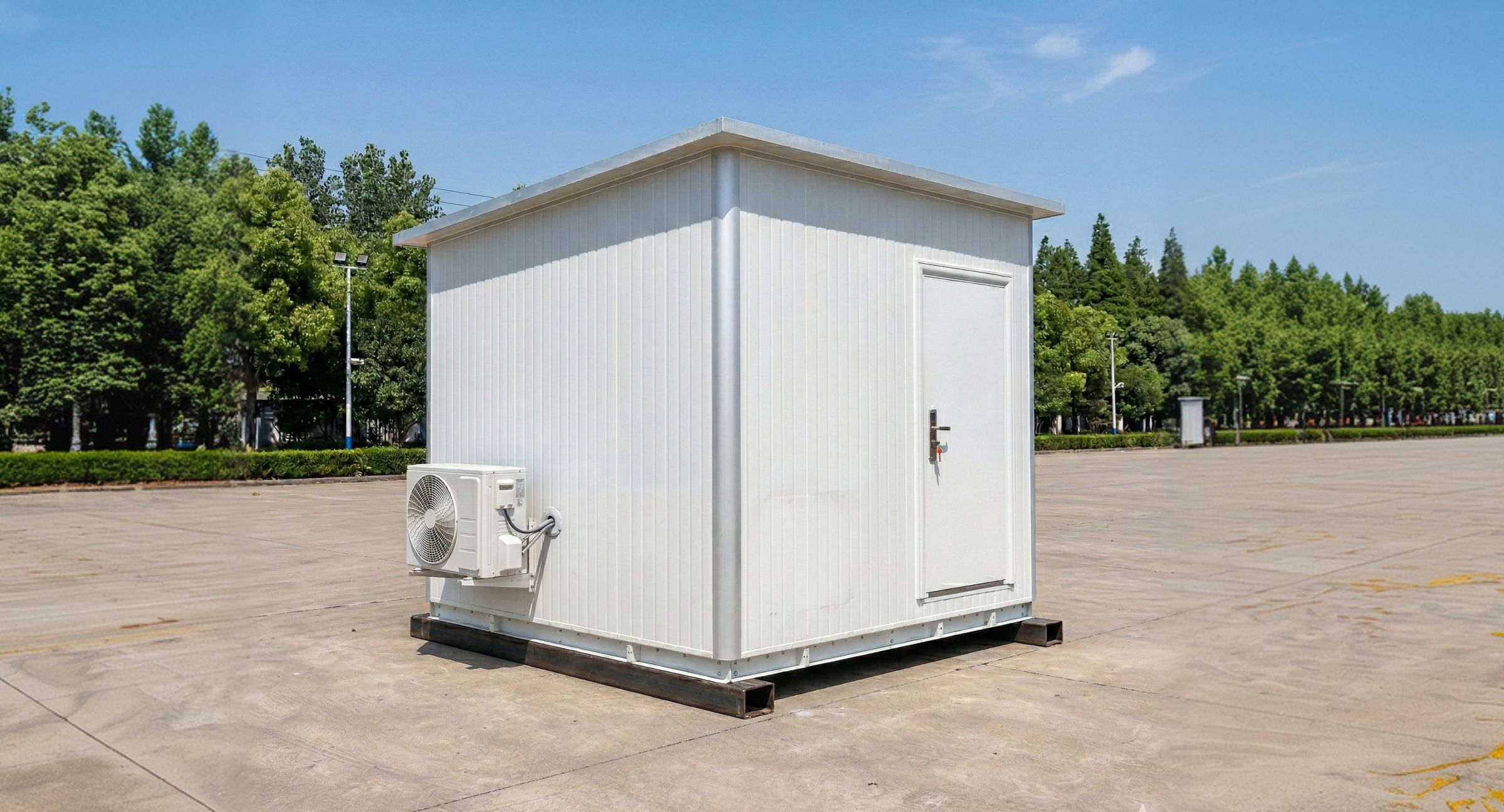
Telecom infrastructure powers everything from emergency response systems to 5G networks and fiber connectivity. But behind every tower and relay system is something less visible—the structure protecting that equipment.
And that structure matters more than most people realize.
Without the right enclosure, even advanced telecom hardware can be exposed to moisture, corrosion, electrical risks, and unnecessary wear.
Here’s why more telecom providers are turning to fiberglass equipment shelters.
Why Telecom Infrastructure Needs Protection
Telecom builds today aren’t what they were 15 years ago.
There are more rooftop installs. More small-cell deployments. More equipment is being pushed into tight urban spaces and exposed environments.
At the same time, infrastructure teams are being asked to:
- Work faster
- Minimize maintenance
- Reduce weight on rooftops and structures
- Extend the life of every asset
When those pressures increase, material choice matters.
Why Fiberglass Equipment Shelters Make Sense
Fiberglass isn’t new. But in telecom applications, fiberglass shelters solve several problems at once.
Built for Tough Conditions
Steel rusts. Wood deteriorates. Concrete cracks.
Fiberglass doesn’t.
It holds up in coastal air, humid climates, extreme heat, and cold. It resists corrosion, moisture, and UV exposure—all without constant upkeep.
For telecom sites that are expected to operate around the clock with minimal attention, that durability is a real advantage.
Strong Without the Weight
Fiberglass offers impressive strength without the bulk of steel or concrete.
That makes a difference when:
- Rooftop load limits are tight
- Equipment needs to be transported to remote areas
- Installation timelines are aggressive
- Foundations need to stay minimal
A lighter fiberglass shelter is easier to move and position, and often less expensive to install—without compromising structural performance.
Naturally Non-Conductive
Telecom environments involve significant electrical systems. Fiberglass is naturally non-conductive, making it a smart material for sensitive power and communications equipment.
That built-in resistance adds another layer of safety without requiring additional coatings or treatments.
Low Maintenance, Longer Lifespan
No one wants to repaint steel or replace deteriorating enclosures every few years.
Fiberglass doesn’t corrode, doesn’t rot, and doesn’t require constant surface maintenance. Over time, that means fewer repairs, fewer replacements, and less waste.
For infrastructure managers looking at total lifecycle cost (not just upfront pricing), that difference adds up.
Where Fiberglass Shelters Fit in Telecom
Fiberglass shelters can be designed for a wide range of telecom applications, including:
- Cellular tower equipment housing
- Fiber network node shelters
- Rooftop enclosures
- Backup generator housing
- Utility corridor equipment protection
Because fiberglass can be molded and fabricated to specific dimensions, shelters can be built to meet ventilation requirements, cable routing, access points, and security needs, rather than forcing equipment to fit a generic structure.
Where Heavy Loads Meet Heavy-Duty Solutions
At Painted Rhino, we manufacture custom fiberglass equipment shelters designed to meet real-world infrastructure demands. If you’re evaluating options, our team can help you design a solution that fits your site, your equipment, and your long-term goals.
Ready to talk through your telecom shelter needs? Contact us today!
 Message Us
 Repair
 Message Us
 Repair